Vitality Audit
of human systems
The Gait Check
This Check just might surprise you.
Most people think walking is just putting one foot in front of the other.
It's not.
Walking is interacting with the ground.
What we’re checking
What we're checking right now.
This is a diagnostic window into your entire system.
The stance leg shows whether your system knows how to turn the ground reaction recoil into functional power.
V
Stand the way you normally stand.
Take a step forward. No surprises. Just step the way you always do.
That's it.
Now there's just one question left.
V
How did you take that step?
The usual answer:
I just stepped with my foot.
What's behind that answer
V
Most often, it's that the person doesn't get the reaction recoil from the ground. Because during a step, they use their stance leg passively—like a prop for the body.
The ground's force investment in that step—zero.
Recoil gets replaced by muscle effort.
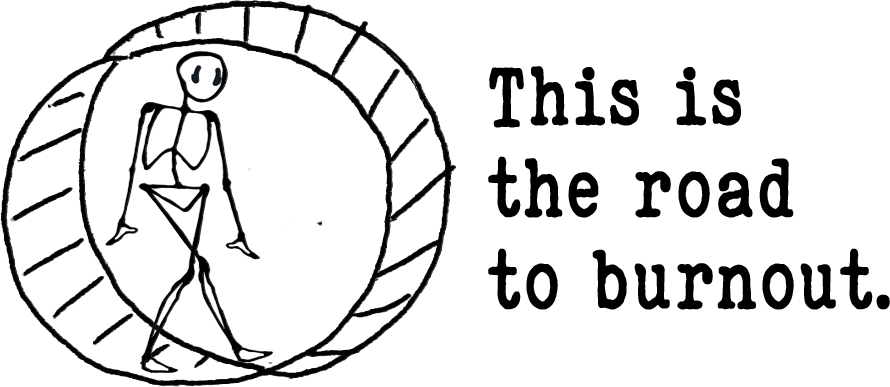
Walking becomes a hamster-on-a-treadmill dilemma.
No effort, no movement.
So: effort—fatigue—even more effort.
Round and round.
The problem is that in this scenario, the brain doesn't get a recoil signal from the legs.
Because there's none.
The brain reads this as losing ground under your feet.
Its response—cortisol, the stress hormone. And rising damn tension.
How to get recoil back into your system
Here's how.
V
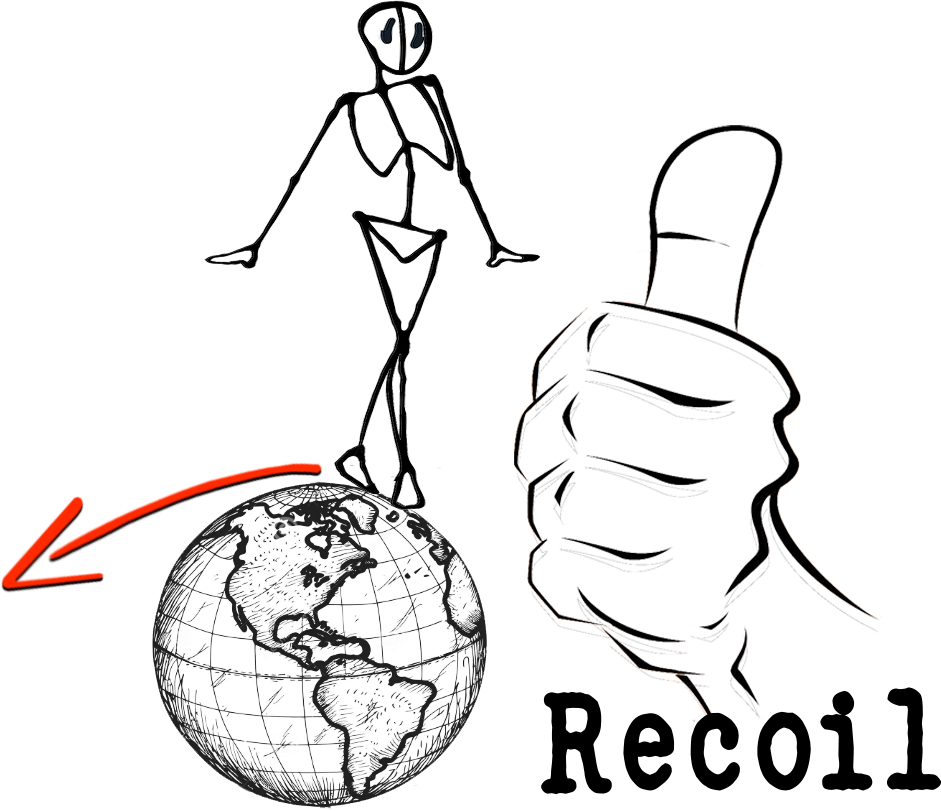
Imagine you're standing on a ball.
This might seem strange. But in the Vitality Audit, the ground is shaped like a ball.
Push that ball back with your stance leg. Make it roll.
At that moment, something important happens. Your other, unsupported leg steps forward on its own—the ground's recoil pushes it out.
This is —
The Key to That Gait.
Continued in End burnout.
V